
Global Supply Chain Architecture: Strategic Sourcing and Tier-N Visibility Frameworks
by Divya
3/20/20264 min read
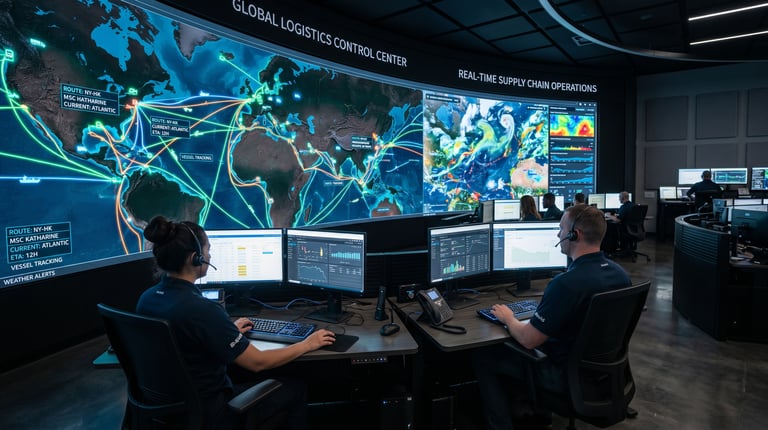

For nearly three decades, global supply chain management was governed by a single, unyielding directive: eliminate waste. Pioneered by Toyota’s lean manufacturing philosophy, the concept of Just-In-Time (JIT) inventory management became the gold standard across every global industry. By keeping raw materials minimal and scheduling components to arrive at the factory floor precisely when needed, corporations drastically reduced storage overhead and unlocked immense capital efficiency.
Then, a series of unprecedented global black swan events ranging from pandemic border closures and structural labor shortages to geopolitical fracturing and the systemic bottlenecking of major maritime chokepoints like the Suez and Panama Canals exposed the fatal flaw of lean logistics: when you completely eliminate fat, you destroy your shock absorbers.
This comprehensive case study and tactical guide breaks down the structural shift from JIT to Just-In-Case (JIC) supply chain architecture, maps out the economics of supply chain visibility, and provides a blueprint for building a resilient global logistics framework.
1. The Operational Shift: JIT vs. JIC Frameworks
To understand the transformation underway, it is vital to contrast the underlying assumptions of both operational models.
Just-In-Time (JIT): Prioritizes efficiency and cost minimization. It operates under the assumption of stable geopolitical environments, predictable consumer demand, and frictionless borders.
Just-In-Case (JIC): Prioritizes resilience and business continuity. It operates under the assumption that disruption is inevitable, factoring in geographic diversification, safety stock buffers, and multi-tier supplier redundancies.
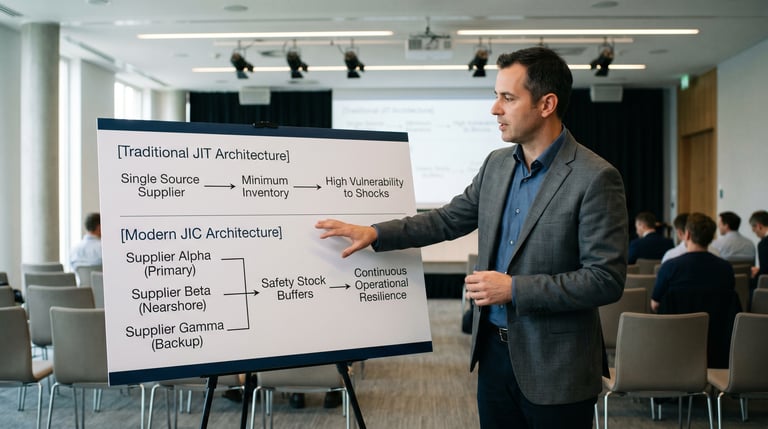
The migration to a JIC framework does not mean businesses should abandon lean principles entirely and hoard expensive inventory blindly. Instead, modern supply chain engineering relies on strategic buffer placement selectively holding safety stock only for critical, high-risk components while maintaining lean operations for readily available commodities.
2. The Bullwhip Effect: How Minor Variances Break Global Systems
The most significant operational risk facing un-diversified supply chains is a phenomenon taught in every elite MBA operations course: The Bullwhip Effect.
This paradox occurs when a tiny, localized shift in consumer demand ripples backward through the supply chain, magnifying into massive, artificial distortions at the raw materials level.
When visibility across the supply network is poor, each tier adds its own conservative buffer to protect against running out of stock. By the time the signal reaches the raw material producer, an initial 5% increase in consumer demand translates into a 60% overproduction shock, leading to immense capital inefficiencies, wasted inventory, or deep shortages when the cycle rapidly reverses.
3. Visualizing Supply Chain Diversification
To combat the bullwhip effect and localized geopolitical blocks, global corporations are abandoning single-source dependencies in favor of a diversified geographic footprint. The primary mechanism used to calculate this vulnerability is the Supply Chain Resilience (SCR) Cost Index, which maps out the financial trade-offs between cheap manufacturing and expensive disruptions.
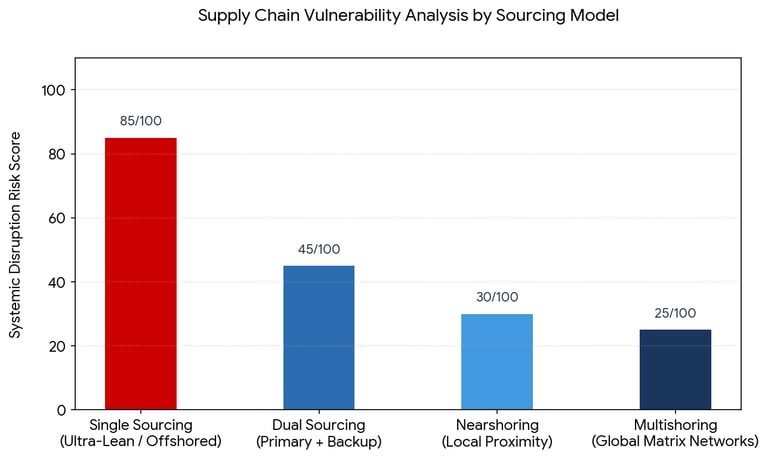
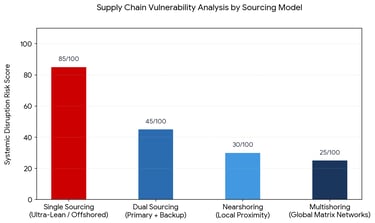
As demonstrated by the matrix mapping, shifting from a fragile single-source configuration to a nearshored or multishored model slashes an organization's systemic risk exposure by over 60%. The slightly higher upfront procurement unit costs are offset by the catastrophic cost avoidance of plant shutdowns during regional crises.
4. The Digital Transformation: Achieving Tier-N Visibility
The frontline defense against structural logistics disruptions is technological. Most enterprise companies only have clear visibility into their Tier-1 suppliers (the factories that assemble the final product). They remain completely blind to Tier-2 (component providers) and Tier-3 (raw material miners) networks.
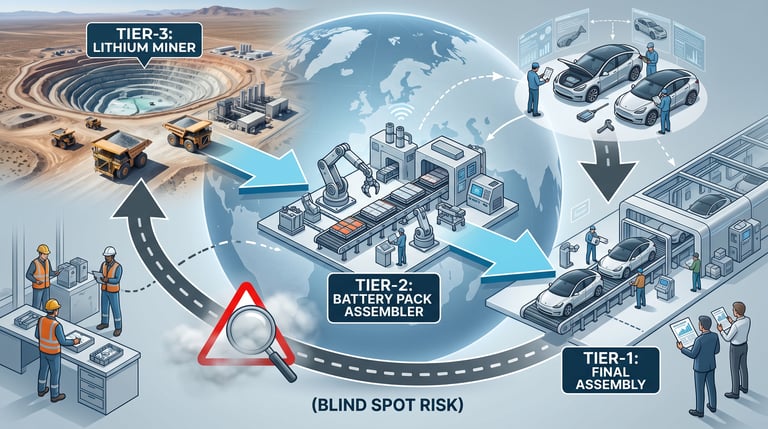
If a chemical plant providing a specific polymer goes dark in Asia, a car manufacturer in Detroit might not realize their component flow is compromised until weeks later when their Tier-1 supplier fails to ship dashboards.
The Modern Logistics Tech Stack
Predictive AI Analytics: Algorithms parse real-time global weather patterns, satellite imagery of container shipping ports, and macroeconomic data to flag logistical bottlenecks up to 72 hours before they physically impact transit routes.
IoT Telematics & Smart Tracking: Attaching Internet-of-Things (IoT) sensors directly to critical freight containers provides precise, continuous data regarding location, internal temperature, humidity, and shock anomalies during transit.
Unified Digital Ledgers: Implementing collaborative supply chain platforms ensures that as soon as a Tier-3 material supplier experiences a production delay, the entire network is instantly alerted, allowing automatic rerouting to secondary options before assembly plants experience down-time.
Key Takeaways for Operations Directors
Map Beyond Tier-1: Conduct an exhaustive audit of your supply chain until you identify the source points of your raw materials. A single hidden point of failure can halt an entire production line.
Price the Risk of Disruption: When evaluating supplier contracts, don't just look at the lowest unit cost. Calculate the Total Cost of Ownership (TCO) by factoring in the financial loss of a potential 30-day inventory outage.
Build Agility Over Stagnant Buffers: True resilience is not just storing massive amounts of excess stock; it is building a nimble operational framework capable of switching transportation modes or shifting manufacturing facilities in hours rather than months.
Contact
Questions? Reach out anytime.
© 2025 BizSphere. All rights reserved.